
Skip to content

Written quotesLocal technicians

Austin, TX (512) 555-0171
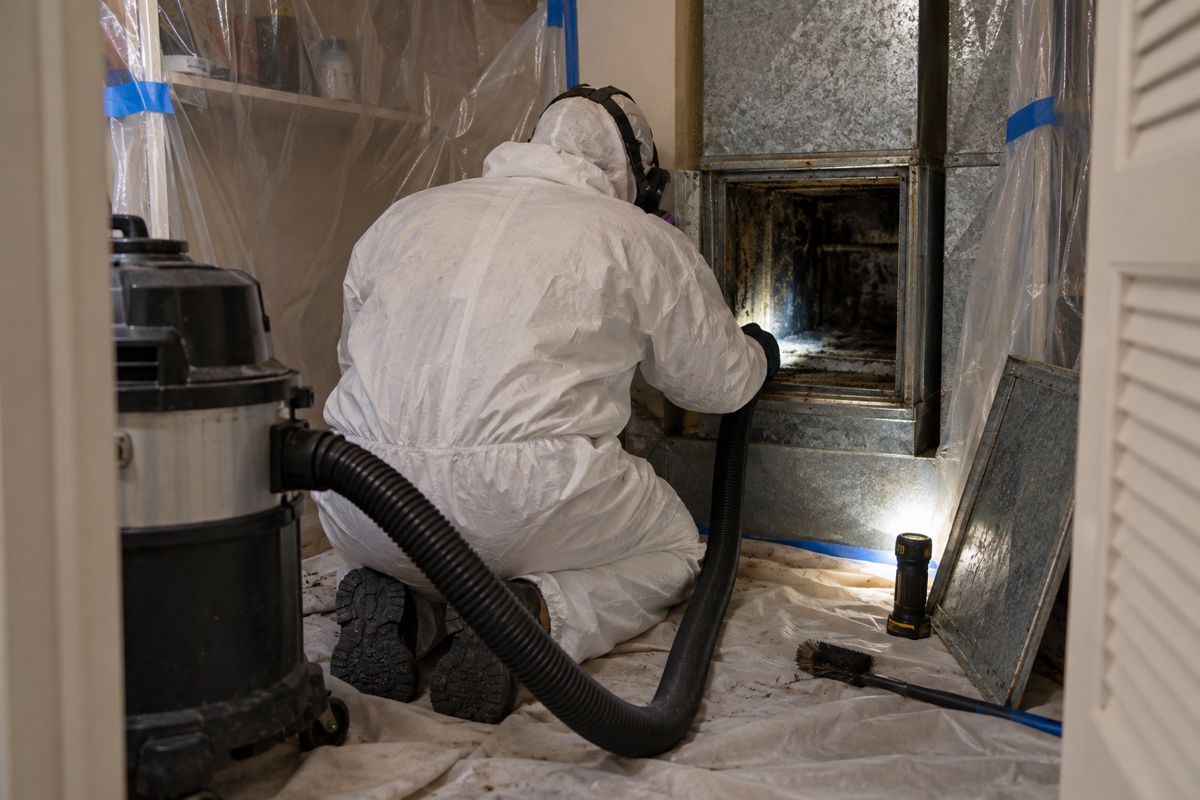
Worker in protective gear containing a stained duct section in a closet

Duct mold in Austin

Mold in air ducts in Austin: what to check and what to do

A musty smell or visible growth near your vents needs a careful look. We start with the source of moisture, then talk through cleanup.

  • Moisture source checked first
  • Cleanup and deodorizing explained
  • Plain advice on when a specialist is needed

Step 1 of 3

What do you need?

How do you know if you have mold in your air ducts?

Mold needs moisture, so it often shows up near cold surfaces, drain pans and leaky joints. Common signs include a musty smell when the system starts, dark spots on registers or on the walls near vents, and visible growth on insulation or around the air handler. Dark dust is not always mold, though. Dirt, soot and old insulation can look similar, which is why a quick visual check or lab test matters before anyone spends money.

If you only see ordinary dust at the registers, our air duct cleaning service may be what you need. If you see growth, treat that as a different job and ask for a careful inspection first.

Why can mold form in Austin ducts?

Austin is dry for much of the year, but humid stretches do come. Spring storms, a wet fall and long cooling seasons can all leave ducts damp. The usual causes are specific.

  • A clogged condensate line or drain pan near the air handler.
  • Poorly sealed or uninsulated attic duct, where hot, humid attic air meets cold metal and moisture forms on the surface.
  • A roof leak that drips onto ducts or insulation.
  • An oversized air conditioner that cools quickly without removing enough humidity.

Cleaning without fixing the moisture source usually means the problem returns. That is why we ask where the water could be coming from before we talk about cleanup. A dirty coil can add to the trouble, so see our coil and blower cleaning page too.

What do cleanup and deodorizing involve?

The method depends on what is affected. Hard metal ducts with light surface growth may be cleaned with agitation, vacuuming and an approved treatment. Porous materials such as fiberglass duct board or soaked insulation are harder to clean, and the usual advice is to replace them rather than treat them.

Deodorizing comes last. A fogging or coating step can reduce odors, but it does not cure a moisture problem and it does not replace removal of growth. We will explain what each step does and does not do, so you know what you are paying for.

EPA guidance on mold says to fix the water problem first, and that is the approach we follow. We will never claim a treatment guarantees a health result.

Texas has rules for mold assessment and remediation, and they are overseen by a state licensing agency. In general, larger mold projects call for licensed assessors and remediators, and the rules include a size threshold. We cannot give legal advice here, so check the current rules with the state or ask the professional you hire what applies to your job. If your job may fall under those rules, we will say so and point you to the right path.

Price depends on how much material is affected, how hard it is to reach, whether any duct must be replaced, and whether the moisture source needs repair. A written quote lists what is covered. Be careful with any quote that promises full removal before anyone has looked at the system.

How long does it take, and when should you call?

An inspection and quote usually come first. Cleanup time depends on the size of the job. Small, contained jobs may take part of a day. Larger jobs, or ones that involve replacing duct sections, take longer, and the moisture fix may need an HVAC contractor first.

On the day, expect containment of the work area, protection for floors and furniture, and careful cleanup and disposal of debris. Call when you see growth, notice a musty smell that comes with the system, or have had water damage near the ducts. If the problem is wide, ask your insurer and a certified mold professional as well. You can call (512) 555-0171 or visit our home page to see the rest of our services.

How it works

  1. Tell us about your home

    Size, number of vents and any concerns.

  2. Written quote

    A clear price before we start.

  3. Clean and check

    Vents and ducts cleaned, photos shared.

Written quotes
Local technicians
Photo proof of the work
Tidy, contained process

Step 1 of 3

What do you need?

Questions about air duct cleaning in Austin

Is the black stuff in my vents definitely mold?

Not always. Dust, soot and old insulation can look dark and fuzzy. A visual check can tell a lot, and a lab test can confirm the type. We would rather look first than sell you a cleanup you may not need. If it turns out to be dust, a standard cleaning is usually the right next step.

Can you remove mold from flex duct and duct board?

Metal surfaces can often be cleaned. Porous duct board and soaked flex duct are different. Many guides advise replacing them when growth is present. We will show you what we see and talk through options before any work begins, including whether replacement makes more sense than treatment for your system.

Does deodorizing kill mold?

Deodorizing reduces odor, but it does not remove growth or fix a moisture problem. Think of it as a finishing step, done after growth is removed and the moisture source is fixed. We explain what each product does so you know exactly what you are getting and why.

Do I need a mold test before cleanup?

Not always. If growth is clearly visible and the area is small, a test may not change the plan. For larger or unclear cases, an independent assessor can help, and Texas rules may call for one. We will tell you what we think and leave the choice to you.

What should I do about the moisture first?

Find the water. Check the condensate line and drain pan, look for roof leaks, and ask an HVAC contractor about duct sealing and insulation in the attic. Without that step, mold tends to come back no matter how well the ducts are cleaned.

Ready when you are Call now or request a quote online. Call for a free quote Get my free duct cleaning quote (512) 555-0171